
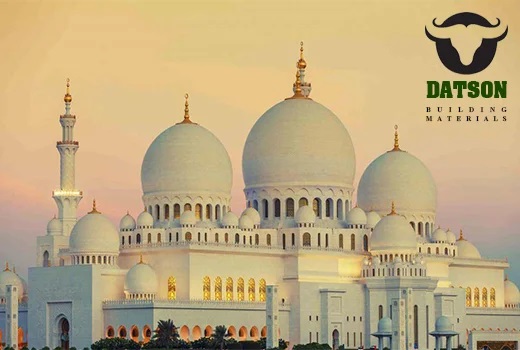
In contemporary design, White Cement architecture has evolved far beyond its structural roots. It’s no longer just about strength, it’s about elegance, precision, and creative expression. The use of white cement in architecture has opened doors for designers seeking clean surfaces, luminous facades, and adaptable finishes that enhance both form and function. Whether it’s for intricate detailing or large-scale public spaces, white cement continues to shape the identity of forward-thinking architecture.
White Cement: What Is It?
White cement is a refined version of traditional Portland cement, valued for its bright, uniform color. Its signature white tone is achieved by using raw materials with low iron and manganese content, typically high-purity limestone, kaolin, and specific clays. These materials are processed in specially controlled kilns, ensuring that the final product is smooth, high-performing, and aesthetically superior.
Despite its visual difference, white cement matches the mechanical properties of gray cement. It maintains excellent binding strength, making it suitable for both structural and decorative applications. Its smooth finish and high brightness make it especially useful in areas where visual quality and surface consistency are paramount.
Why Do Architectural Designs Use White Cement?
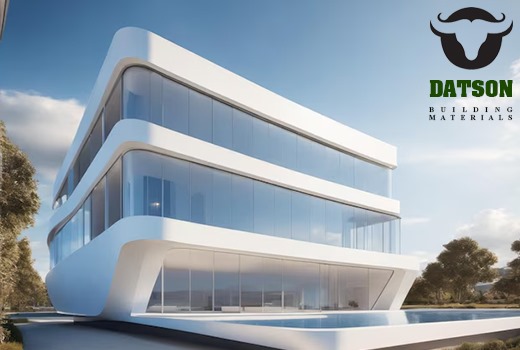
The use of white cement in architecture isn’t just a stylistic choice, it’s a strategic one. Here’s why it matters:
- Visual Flexibility: Its bright white base acts as the perfect canvas for pigments. Whether for bold color applications or soft, natural hues, white cement makes those choices more vibrant and lasting.
- Strength and Longevity: White cement stands up to time and the elements just as well as traditional gray cement. Its durability is proven across climates, from sun-drenched cities to coastal environments.
- Smooth, Polished Results: Because of its fine texture, it delivers clean, smooth finishes ideal for modern facades, artistic moldings, and sculptural forms.
- Environmentally Aligned: Today’s white cement production focuses on low emissions, recycled inputs, and efficient energy use, making it a reliable option for sustainable architecture.
Applications of White Cement in Architectural Design
White Cement architecture is seen in a wide spectrum of applications, each reflecting the material’s blend of strength and visual appeal:
Decorative Concrete
From public plazas to luxury interiors, decorative concrete made with white cement provides surfaces that are both eye-catching and tactile. The reflectivity and fine grain allow for detailed patterning and creative surface treatments.
Precast Architectural Elements
White cement is commonly used in precast panels, tiles, and modular elements. These pieces are consistent in color and finish, allowing architects to create cohesive structures that balance functionality and visual unity.
Manufacturers like Datson produce these high-quality white cement powders to meet the demanding standards of architectural design and construction.
Cladding and Facade Design
When used for external cladding or curtain walls, white cement delivers a clean, timeless look. It resists discoloration and handles harsh weather well, preserving its brilliance for years.
Sculptural and Ornamental Work
Thanks to its ability to retain fine detail, white cement is ideal for making sculptures, columns, fountains, and decorative reliefs that maintain their form and finish over time.
Colored Architectural Concrete
Adding pigments to white cement allows designers to craft vibrant, theme-based spaces, whether that means soft-toned wellness centers or bold-toned cultural buildings.
Terrazzo and Designer Flooring
In high-end commercial and residential projects, terrazzo made with white cement combines colorful aggregates with a smooth, durable binder for a polished, luxury finish.
The Benefits of White Cement in Architecture
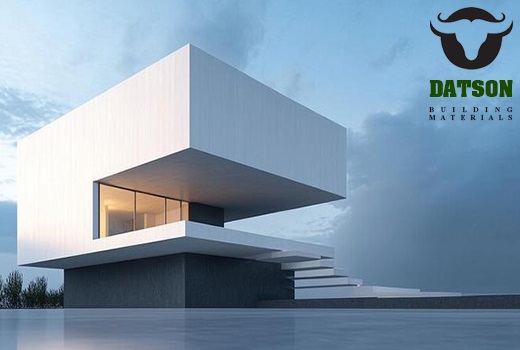
The rising popularity of White Cement architecture is supported by both aesthetic and functional benefits:
Superior Light Reflectivity
White cement reflects natural and artificial light far better than gray cement, helping reduce indoor lighting needs and combat urban heat.
Color Longevity
Buildings made with white cement retain their hue much longer, needing fewer repaints and less upkeep over time.
Creative Freedom
Whether your project calls for ultra-minimalist geometry or richly ornamental motifs, white cement adapts effortlessly to different architectural styles.
Compatibility with Additives
White cement works well with pigments, admixtures, waterproofers, and setting agents, offering customized mixes for every design challenge.
Stain and Weather Resistance
Its low porosity makes white cement resistant to environmental staining and damage, keeping surfaces cleaner and fresher in the long term.
Notable Examples of White Cement Architecture
White cement has been used in some of the most iconic architectural landmarks across the globe:
- Sheikh Zayed Grand Mosque (UAE): This massive structure showcases intricate carvings and a luminous white marble exterior made possible through extensive use of white cement.
- Lotus Temple (India): Known for its flower-like shape and serene white façade, the temple’s structure owes its elegance to the smooth finish and strength of white cement.
- Private Residences and Villas: Clean, sunlit exteriors and crisp modern lines define many contemporary homes, all achieved with white cement’s light-reflecting and aesthetic advantages.
Sustainability in White Cement Production
As green building standards become the norm, white cement has aligned itself with responsible manufacturing:
- Reduced Energy Consumption: Advanced kilns are designed for maximum thermal efficiency.
- Recycled Inputs: Industrial byproducts such as fly ash or alternative fuels are used in modern production.
- Lower Carbon Footprint: Technologies that minimize emissions meet the growing demand for environmentally conscious construction.
These factors make white cement a responsible choice for architects looking to meet sustainability goals without sacrificing design potential.
Conclusion
The future of White Cement architecture lies at the intersection of beauty, performance, and responsibility. It enables the creation of structures that don’t just stand the test of time but inspire. From urban skyscrapers to meditative temples, white cement adds light, character, and precision to every surface it touches.
If you’re designing a project that demands elegance without compromise, the use of white cement in architecture offers unmatched creative potential. Let your next design stand tall in both form and substance, with white cement at its core.