

Overview of Filtration Control in Drilling Operations
In drilling operations, especially during the construction of oil and gas wells, one of the main challenges faced by engineers is managing the interaction between drilling fluids and the surrounding geological formations. Filtration control refers to the ability of a drilling fluid to minimize fluid loss into the formation, maintaining borehole stability and protecting reservoir zones. Without effective filtration control, expensive complications such as stuck pipe, formation damage, and lost circulation can occur.
To address these challenges, various additives are used in drilling fluids to modify their properties and reduce the permeability of the filter cake formed on the wellbore walls. Among these, bentonite-based solutions have played a pivotal role, evolving over time into more sophisticated, modified bentonite drilling fluids.
Role of Bentonite in Filtration Control
Bentonite drilling mud has long been a cornerstone in drilling operations due to its exceptional swelling capacity and viscosity-enhancing characteristics. When hydrated, bentonite clay swells and forms a gel-like structure that suspends drill cuttings and builds a low-permeability filter cake on the borehole walls.
This gel also prevents the uncontrolled seepage of fluid into permeable formations, thereby ensuring borehole integrity and supporting efficient drilling. The ability of bentonite mud drilling fluids to minimize filtration losses is especially valuable in unconsolidated or fractured formations where fluid migration can result in serious operational risks.
Moreover, bentonite contributes to cooling and lubricating the drill bit, balancing hydrostatic pressure, and transporting cuttings to the surface all essential functions in safe and efficient drilling processes.

Modified Bentonite – Composition and Types
While natural bentonite already offers valuable filtration properties, advancements in drilling fluid technology have led to the development of modified bentonite for filtration control. Modified bentonite is typically treated chemically or physically to improve its dispersion, swelling, and suspension properties.
Some common modifications include:
- Organophilic treatment: Enhances compatibility with oil-based mud systems.
- Polymer-coated bentonite: Improves thermal stability and rheological behavior.
- Sodium activation: Converts calcium-based bentonite into more swellable sodium bentonite, enhancing gel strength.
These modifications enhance the performance of bentonite in high-pressure and high-temperature (HPHT) environments, where conventional formulations may degrade. Modified bentonites are specifically designed to optimize mud viscosity, reduce fluid loss, and maintain performance across a wider range of drilling conditions.
Performance Benefits of Modified Bentonite
Modified bentonite offers several advantages over natural bentonite when used in drilling fluids. One of the primary benefits is improved control over filtrate volume and filter cake quality. This directly translates to reduced risk of formation damage and increased wellbore stability.
Some of the major performance enhancements include:
- Reduced filtrate loss: Modified bentonite creates thinner, more impermeable filter cakes.
- Enhanced thermal resistance: Maintains integrity in HPHT drilling environments.
- Improved rheological properties: Offers better suspension and circulation of cuttings.
- Lower additive consumption: More efficient performance means fewer additional chemicals are needed.
Such improvements make modified bentonite drilling fluids an ideal choice for complex drilling operations that demand precise control and long-term stability under varying geological conditions.
Application in Deep Well Drilling
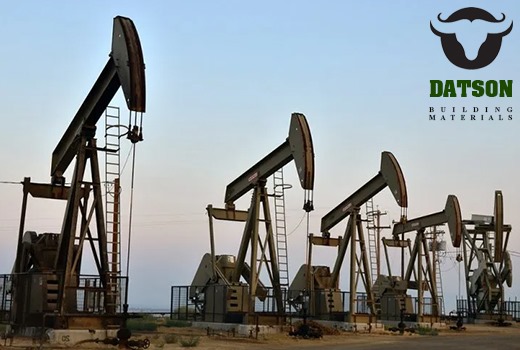
Deep well drilling operations, such as those in offshore or unconventional plays, present unique challenges due to extreme pressures, high temperatures, and reactive shale formations. In such environments, conventional bentonite-based fluids may not provide sufficient protection or stability.
Modified bentonite has proven highly effective in deep wells where fluid loss control, thermal stability, and cuttings suspension are critical. The optimized filter cake formation minimizes the risk of stuck pipe, while its consistent rheological behavior enhances hole cleaning efficiency.
Additionally, the use of modified bentonite can reduce torque and drag on the drill string, improve bit performance, and lower non-productive time (NPT). For these reasons, oil and gas companies often rely on engineered bentonite products to meet the stringent requirements of deep drilling operations.
Comparison with Other Filtration Control Agents
While bentonite remains a go-to solution for many drilling scenarios, it’s not the only option available for filtration control. Other commonly used agents include:
- Starch derivatives
- CMC (Carboxymethyl Cellulose)
- PAC (Polyanionic Cellulose)
- Lignite and asphalt-based products
These materials can be effective in reducing filtrate volume, but often require additional additives to stabilize the drilling fluid. Compared to these agents, bentonite, particularly when modified, offers a more holistic solution. It not only controls filtration but also enhances the overall viscosity, suspension properties, and thermal performance of the drilling mud.
Moreover, bentonite is naturally occurring, widely available, and cost-effective, giving it a competitive edge over synthetic polymers or resin-based products, especially in large-scale operations where cost and availability are crucial.
Environmental and Economic Aspects
From an environmental standpoint, bentonite is relatively benign compared to many synthetic additives. It is non-toxic, biodegradable, and does not pose significant risks to groundwater or ecosystems when used correctly. This makes it a more sustainable choice, especially in regions where strict environmental regulations are enforced.
Economically, bentonite is cost-effective due to its abundant global availability. While modified bentonite for filtration control may carry a slightly higher price tag than its natural counterpart, its improved performance often results in lower overall consumption, reduced operational risks, and fewer fluid losses. These factors collectively contribute to lower total cost of ownership for drilling operations.
Furthermore, modified bentonite can reduce reliance on multiple chemical additives, streamlining the mud formulation and simplifying inventory management for drilling contractors.
Future Trends in Bentonite Modification
As the oil and gas industry evolves, so does the need for smarter and more adaptive drilling solutions. The future of bentonite in drilling fluids lies in ongoing innovation and customization. Nanotechnology, for instance, is being explored to enhance bentonite’s surface area and adsorption capacity, potentially opening new avenues in smart fluid design.
Other trends include the development of hybrid additives that combine bentonite with biodegradable polymers or renewable materials for improved environmental performance. Companies are also investing in real-time monitoring technologies that allow operators to adjust bentonite concentrations on the fly based on well conditions.
Manufacturers are working closely with service providers to tailor modified bentonite drilling fluids for specific formations, offering precision-engineered solutions rather than one-size-fits-all approaches. This customization is set to play a critical role in maximizing operational efficiency while minimizing environmental and financial risk.
Conclusion
Bentonite continues to be a vital component in drilling fluid systems due to its ability to enhance filtration control, improve mud properties, and maintain wellbore stability. The development and implementation of modified bentonite for filtration control have further expanded its utility in challenging environments, especially deep well drilling.
Whether it’s reducing filtrate loss, forming high-quality filter cakes, or improving drilling efficiency, bentonite mud drilling fluids remain at the forefront of mud system design. By offering an effective, environmentally responsible, and economically viable solution, modified bentonite ensures safer and more productive drilling operations across the globe.
As the industry faces deeper wells, harsher conditions, and stricter regulations, the continued innovation and refinement of bentonite products will be essential. For engineers and drilling professionals looking to stay ahead, investing in advanced bentonite drilling mud solutions will offer both immediate benefits and long-term reliability.
DATSON Building Materials is a trusted brand in supply of high-quality building and construction materials serving clients across the UAE and international markets. With a strong commitment to reliability, product excellence and customer satisfaction, DATSON continues to support a wide range of sectors including construction, oil & gas, agriculture and pharmaceutical industries.