
Introduction to White Cement in Tile Adhesives
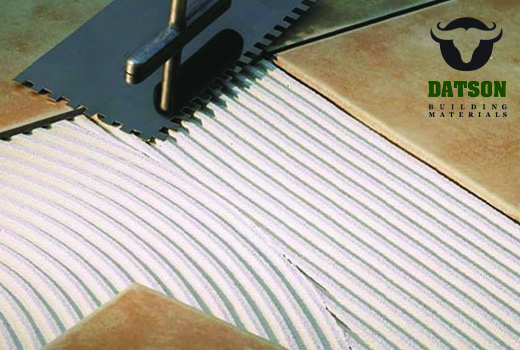
The role of white cement in modern tile adhesive formulations is becoming increasingly important as construction methods evolve toward cleaner aesthetics and more sustainable materials. White cement is prized not only for its clean and neutral appearance but also for its compatibility with colored grouts and premium tile designs. When used in adhesive tile cement, white cement ensures a strong bond, uniform finish, and color consistency, particularly valuable in glass mosaic, marble, and light-colored ceramic tile applications.
One of the defining benefits of white cement for tile installation is its high compressive strength and purity, which results in excellent adhesion and long-lasting performance. Its compatibility with polymers, fine aggregates, and additives allows for versatile tile adhesive formulations suitable for interior, exterior, wall, and floor installations. As tile adhesives evolve, the use of white cement is increasingly recognized as both a functional and energy-conscious choice.
Energy Consumption in Tile Adhesive Production
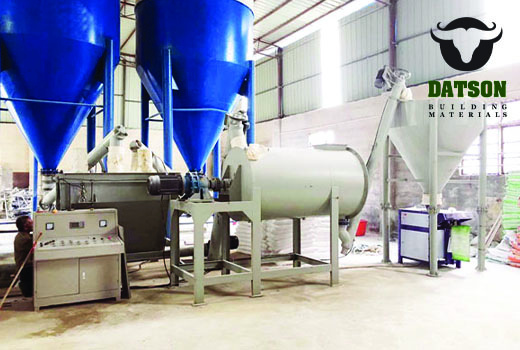
Tile adhesive production is an energy-intensive process involving the drying, grinding, blending, and packaging of various components. Each stage from raw material processing to final packaging requires substantial electricity and thermal energy. The cementitious components, particularly ordinary Portland cement (OPC), account for a significant share of the total energy consumption and associated carbon emissions.
Moreover, the global demand for adhesive products continues to grow due to rising construction activities, especially in urban housing and infrastructure development. This increase places additional pressure on manufacturers to optimize processes, reduce emissions, and improve energy efficiency across production lines.
In response, many producers are reformulating tile adhesives to include alternative binders and energy-saving additives, white cement in tile adhesive formulas being one such example. By improving early strength development and working time, white cement allows for leaner formulations and better energy management during production and application.
How White Cement Contributes to Energy Saving
Using white cement in tile adhesive formulas can significantly contribute to overall energy savings across production and application phases. One of the main reasons lies in the high reactivity and fineness of white cement, which allows for lower binder content without compromising strength. This translates into reduced energy consumption during mixing and a lower thermal load during setting and curing.
Furthermore, white cement typically contains fewer heavy metals and lower iron content compared to grey cement. This difference not only enhances its brightness but also enables a more energy-efficient clinker production process in rotary kilns. Less fuel is required to achieve the desired chemical composition and whiteness.
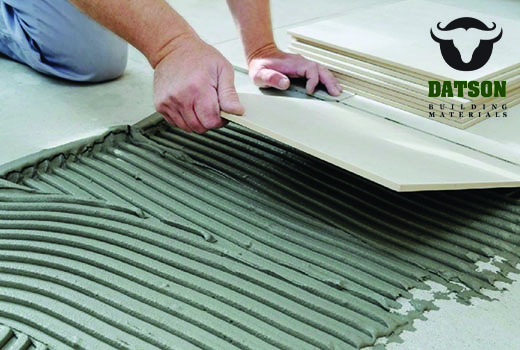
In application scenarios, the quick setting time and improved workability of white cement-based adhesives reduce the need for repeated adjustments, which saves both labor energy and mechanical energy involved in tools and mixing devices. When used in large-scale tiling projects, these incremental savings accumulate, contributing meaningfully to the environmental footprint of construction.
Comparing White Cement and Grey Cement in Tile Adhesives
A common question among builders and renovators is whether white cement for tiles offers tangible advantages over grey cement, especially considering cost and performance. The answer often lies in the specific use case and visual expectations of the project.
While grey cement remains popular for standard tiling applications, white cement provides a clear advantage in terms of appearance, especially for translucent or light-colored tiles. The absence of discoloration or staining around grout lines is a key reason why white cement is the preferred choice for decorative and high-end tile installations.
In terms of mechanical performance, white cement-based adhesives generally match or exceed the bond strength of grey cement-based formulations. They also offer better control over setting time and water retention, improving ease of application and tile positioning.
Moreover, when it comes to maintenance, white cement-based systems simplify the cleaning process. Homeowners often search for solutions like white cement remover from tiles, which indicates the need for clean application and finish. Because white cement is less likely to cause staining, it reduces the frequency and severity of such issues, making it more user-friendly for both installers and end-users.
Environmental and Sustainability Advantages
Sustainability in construction has shifted from a trend to a necessity. In this context, white cement’s contribution goes beyond aesthetics and strength. Its integration into adhesive tile cement supports environmental goals in several key areas.
Firstly, many white cement manufacturers use advanced kiln technology and alternative fuels to reduce carbon emissions during production. Secondly, the higher reflectivity of white cement can contribute to cooler indoor environments, which helps reduce the urban heat island effect and energy use in climate control.
Additionally, white cement’s high early strength allows for reduced material usage without compromising durability. Less material use translates to reduced extraction of raw materials, lower transportation energy, and smaller storage requirements.
The adoption of white cement for tile applications also supports green building certifications by lowering volatile organic compounds (VOCs) and enabling more hygienic, mold-resistant surfaces. When used in adhesive systems for kitchens, bathrooms, and hospitals, white cement helps create healthier indoor environments, aligning with public health and environmental standards.
Applications of Energy Efficient Tile Adhesives
Applications of energy efficient tile adhesives are explained bleow:
Residential Projects
In residential construction, white cement-based tile adhesives are increasingly being used for bathroom and kitchen tiling due to their visual clarity and mold resistance. Energy-efficient adhesives not only speed up project completion but also contribute to long-term energy savings by reflecting light and supporting ambient cooling.
These adhesives are especially beneficial in small homes and apartments, where maximizing light and minimizing maintenance are critical considerations. As demand grows for sustainable homes, incorporating eco-friendly adhesives into tiling systems offers an easy and cost-effective solution.
Commercial and Industrial Installations
Large-scale projects such as shopping centers, hospitals, and industrial buildings require tiling solutions that offer durability, cleanliness, and efficiency. White cement-based adhesives meet these demands by providing high bond strength, stain-free installation, and long-term resistance to wear.
When used with large-format tiles or high-traffic areas, white cement enhances the aesthetic and structural reliability of the floor or wall system. In addition, by contributing to cooler indoor temperatures through high reflectivity, white cement indirectly supports energy savings on air conditioning, particularly in warm climates.
The implementation of white cement in commercial applications is often supported by lifecycle cost analysis, which confirms its long-term benefits outweigh the initial investment.
Conclusion
The inclusion of white cement in tile adhesives reflects a significant advancement in construction material science. From aesthetic appeal and improved strength to environmental performance and energy efficiency, white cement-based formulations are reshaping how adhesives are perceived and used in both residential and commercial settings.
Compared to traditional options, white cement provides superior brightness, uniformity, and compatibility with decorative tiles, making it the go-to choice for modern tiling projects. The integration of white cement into adhesive tile cement systems also aligns with broader goals of sustainability, reduced carbon footprints, and responsible material sourcing.
As global construction trends continue to emphasize energy efficiency and green practices, choosing materials such as white cement for tiles offers not only technical and visual advantages, but also lasting environmental value. Builders, architects, and homeowners alike are recognizing that smarter material choices lead to smarter buildings, and white cement tile adhesives are at the forefront of that change.
DATSON Building Materials is a trusted brand in supply of high-quality building and construction materials serving clients across the UAE and international markets. With a strong commitment to reliability, product excellence and customer satisfaction, DATSON continues to support a wide range of sectors including construction, oil & gas, agriculture and pharmaceutical industries.