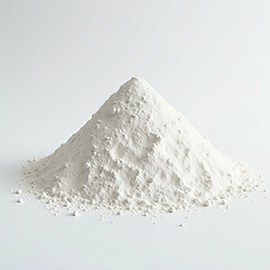
Talc powder is a highly valued ingredient in the cosmetics and personal care industry. It’s known for its exceptional ability to absorb moisture and improve the texture of skincare products. Talc powder is commonly found in face powders, deodorants, body powders and baby products. There it serves to absorb sweat and oil, leaving the skin feeling soft, dry and smooth. A trusted talcum powder supplier ensures that only high-quality talc is used in these sensitive formulations.
Talc’s fine texture ensures an easy, smooth application of makeup and personal care products, which can provide a silky and non-greasy finish. It helps enhance the longevity of makeup by controlling shine and maintaining a matte look throughout the day. Due to its gentle and non-irritating nature, talc is a go-to ingredient in baby care and sensitive skin products. It offers comfort and relief from rashes and irritation while maintaining a fresh and healthy skin feel. Reputable talc powder suppliers in UAE cater to the growing demand for high-grade talc in these applications.
Talc powder is commonly used in the plastic sector as it is added as a reinforcing filler to plastic composites in order to improve their reinforcement, stiffness and heat deflection properties. It extends the service life of plastics by controlling several wearing factors and makes their geometrical shape more stable, thus enabling their high-performance use. From the use of the powder, incidences of heavy weight restrictions on components such as bumpers, dashboards and other trims with the use of lighter stronger plastics are reduced.
The powder also helps in the motorization of the plastic by orienting it along the surface of the cavity during molding or inside the die during extrusion. Since it decreases the heaviness of the plastic parts while keeping the firmness intact, it offers a functional and an economic advantage to the manufacturers employing talc powder in the plastics sector ensuring better quality and stronger products when put under rigorous performance.
Talc powder is a fundamental filler and extender in the paints and coatings industry. To assure that paints are nice and level without backlash, talc powder improves the overall characteristics, texture, and the viscosity of paints. When formulating paint with talc powder, manufacturers can afford to cut back on the use of the more expensive pigments enabling the formulation to be more economical.
Talc improves the use of paints as it thickens and brightens the paints for better hiding and colorful finish. It helps to stand cracking, chipping and sun discoloration of the painted surfaces hence such surfaces will be visually appealing and in good condition even in extreme weather conditions. From homes to factory finishes, talc powder invariably ensures durable and aesthetically pleasing surface finishes being protective of the surfaces but also appealing to the eye.
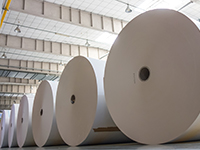
Talc powder is one of the most vital ingredients in the production of paper as it is added in the form of a coating pigment as well as a filler in a bid to ensure the quality of performance of paper materials. Talc as a coating enhances the opacity, brightness, and smoothness of the paper in order to create a better printing surface for printed materials such as magazines, brochures, catalogues and even packaging materials. It helps plasticize the surface of the paper and improves its printability with smooth and glossy surface finishing that makes printed colors sharp and bright.
Talc also serves another function in that it reduces the quantity of ink used thereby making the printing process more cost effective whilst enhancing the accuracy of the colors displayed. In relation with that in which it is involved, whether it is for high-end printing or for packaging, the use of talc contributes to the attractive and professional appearance of paper-based products without compromising the quality of performance during printing and writing.
Industrial grade talcum powder is widely applied within the confines of the pharmaceutical industry as an excipient primary active function focusing on tablet and capsule production. In its role as a lubricant, it is used to ensure that the tablets do not stick to the equipment used, thereby improving the overall manufacturing process and enhancing the tablet compression efficiency.
Talc also works as a binder which helps to form and maintain the structures of the pharmaceutical mixture. It improves the quality and presentation of tablets so that they remain undamaged while being handled. Talc is very useful in this aspect because in addition to making tablets it is found or is frequently added in topical applications and powders where its function is to control moisture and provide cooling effect to the skin. Young children are prone to skin rashes and will thus need calamine powder, and talc will be found in it because of its refraining from irritating the delicate skin.
In the food sector, talc powder is mostly incorporated in powdered food products such as powdered sugar, spices, and seasoning mixes, among others as an anti-caking agent to prevent the occurrence of lumps. This allows these types of ingredients to be free flowing, easier to pour and user friendly with the end users both at home and in the commercial kitchens.
Talc plays a role in preventing thickening and caking of dry food products during storage or handling and keeping preservation rotational. Moreover, talc is used in chewing gum formulations for enhancing the texture and also providing smoothness. Even though the aid of talc in food products is strictly controlled with the aim of ensuring no harm to consumers, it is still a productive application while enhancing quality and constancy, both of which appeal to the consumers.