
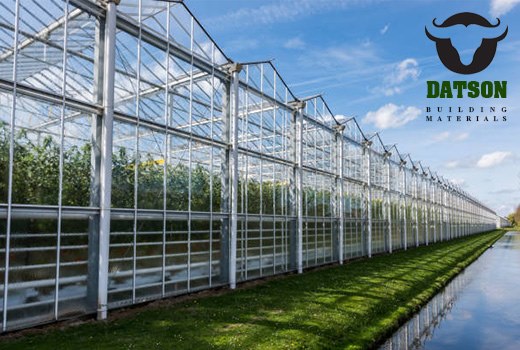
Soil water retention is a critical factor in successful crop production and sustainable agriculture, especially in arid and semi-arid regions. One natural solution that has gained widespread attention in recent years is bentonite clay. Known for its high water absorption capacity, bentonite helps modify soil properties and significantly improves its ability to retain moisture. Farmers and soil engineers alike are discovering the advantages of using bentonite clay in soils to combat drought stress and increase agricultural efficiency.
Bentonite is a naturally occurring clay composed mainly of montmorillonite. When it is hydrated, it swells and forms a gel-like consistency, which enhances the soil’s capacity to hold water and nutrients. This makes hydrated bentonite benefits highly valuable in both conventional and organic farming systems.
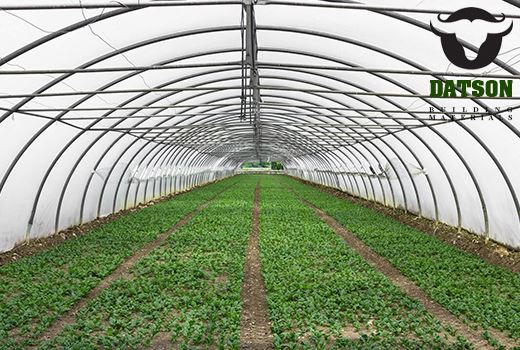
Benefits of Using Bentonite in Soil
The effect of bentonite as a soil amendment is well-documented across multiple climatic zones and soil types. Its benefits go far beyond just moisture retention.
Enhancing Water Holding Capacity
One of the primary advantages of bentonite for improving soil water retention is its ability to swell when in contact with water. This swelling action allows the soil to trap water molecules in between the clay layers, creating a reservoir that plants can access during dry periods. Especially in sandy or porous soils, bentonite can transform the water dynamics, significantly reducing runoff and evaporation losses.
Improving Soil Texture and Structure
Sandy soils, though easy to work with, suffer from poor nutrient and water retention. By incorporating bentonite, the soil texture becomes more cohesive. It binds loose sand particles and creates a structure that better supports microbial activity and root penetration. This bentonite impact on soil leads to a more fertile, aerated, and stable growing environment.
Reducing Irrigation Frequency
With improved water-holding capacity, farmers can reduce how often they irrigate their fields. This leads to considerable water savings, a vital benefit in regions where water resources are scarce or expensive. When bentonite is applied properly, it enables moisture to linger longer in the root zone, meaning plants stay hydrated for extended periods.
Increasing Crop Yield and Productivity
As soil moisture availability improves, so does the efficiency of nutrient uptake by plants. Healthier root systems, combined with a steady supply of water, often result in higher yields and better crop quality. For many farmers, the long-term gain from improved productivity more than offsets the initial cost of applying bentonite.
Application Methods of Bentonite for Soil Improvement
To fully realize the benefits of bentonite, correct application is key. The effectiveness of bentonite largely depends on how it is incorporated into the soil.
Mixing Techniques
The most common method is mechanical incorporation. Bentonite clay is spread evenly across the soil surface and then mixed in using a rototiller, plow, or disc harrow. For large-scale agricultural operations, deep ripping machines can ensure even distribution at the desired depth.
Alternatively, for horticulture or smaller plots, it can be mixed manually during soil preparation or transplanting. In both cases, thorough blending is crucial to prevent uneven water distribution.
Optimal Application Rates
The application rate depends on soil type, crop requirements, and climate. For sandy soils, a typical application ranges from 5 to 20 kilograms per square meter. Laboratory tests or a soil analysis can help determine the best dosage. Excessive application can lead to compaction, especially if not balanced with organic matter.
Best Time for Application
The most effective time to apply bentonite is before planting, during land preparation. This ensures that the clay is well integrated into the soil matrix before seeds or transplants are introduced. In perennial systems, application can be done during pruning or dormant periods when the soil is accessible.
Comparison with Other Clays for Water Retention
While bentonite is highly effective, other clays like kaolinite and illite are also used for soil improvement. However, bentonite stands out due to its superior swelling capacity and surface area. Unlike kaolinite, which is non-expanding and better suited for improving drainage in heavy soils, bentonite can absorb multiple times its dry weight in water.
In terms of water retention performance, bentonite for soil water retention consistently outperforms most other clays. This makes it a preferred option, especially in water-scarce farming systems or in soils that naturally drain too quickly.
Case Studies and Research Findings
Numerous field studies have demonstrated the effectiveness of bentonite in improving soil health and crop productivity. In a study conducted in the drylands of Australia, adding bentonite to sandy soils resulted in a 40% reduction in irrigation needs and a 20% increase in crop yields over two seasons.
In India, where monsoon variability affects farming, researchers found that bentonite-treated fields retained 30% more water than untreated plots. This directly contributed to improved germination rates and overall plant vigor.
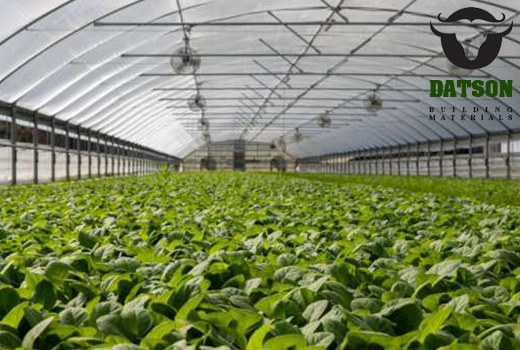
A European trial also showed that applying hydrated bentonite to greenhouse soil improved lettuce growth and allowed for a 25% reduction in watering without compromising yield. These real-world examples reinforce the scientific understanding of the hydrated bentonite benefits in practical agriculture.
Limitations and Precautions
Despite its numerous advantages, bentonite is not a one-size-fits-all solution. There are a few limitations and precautions to consider.
- Over-application: Using too much bentonite can lead to compaction or reduce soil porosity. This can inhibit air flow and root development, especially in already fine-textured soils.
- Salt content: Some sources of bentonite contain high levels of sodium, which can be harmful to plants. Always opt for tested, agricultural-grade bentonite with a balanced cation exchange ratio.
- pH alteration: Though bentonite is generally neutral to slightly alkaline, its application can subtly alter soil pH, which may not be suitable for acid-loving plants.
- Cost: For large land areas, the cost of bentonite can be significant. However, its long-term effects often justify the investment.
Best Practices for Farmers and Soil Engineers
To maximize the benefits of bentonite for improving soil water retention, follow these best practices:
- Conduct a soil analysis before application to understand the existing texture and water retention capacity.
- Blend bentonite with compost or organic matter to enhance biological activity and improve soil structure.
- Monitor soil moisture after application to gauge effectiveness and adjust irrigation accordingly.
- Avoid surface application without incorporation, as bentonite may form a crust that inhibits infiltration.
- Use in combination with mulching for enhanced moisture conservation in extreme climates.
Professional soil engineers can also benefit from adding bentonite to reclamation projects, green roofs, and erosion control systems. Its role in long-term soil stabilization and water management is growing in both agricultural and environmental engineering.
Conclusion
Bentonite clay offers a natural and effective way to enhance soil performance and boost agricultural productivity. Its unique swelling properties and moisture retention capabilities make it a powerful soil amendment, especially in sandy or drought-prone regions. From reducing irrigation needs to increasing crop yields, the effect of bentonite as a soil amendment delivers both economic and ecological benefits.
By understanding how to properly apply and manage this clay mineral, farmers and soil engineers can unlock its full potential. Whether you’re exploring bentonite for soil water retention on a commercial farm or implementing using bentonite clay in soils for home gardening, the results speak for themselves: healthier soils, resilient crops, and smarter water use.
DATSON Building Materials is a trusted brand in supply of high-quality building and construction materials serving clients across the UAE and international markets. With a strong commitment to reliability, product excellence and customer satisfaction, DATSON continues to support a wide range of sectors including construction, oil & gas, agriculture and pharmaceutical industries.