

Calcium carbonate is one of the most widely used fillers in the polymer and rubber industries. Known for its versatility, cost-effectiveness, and excellent performance properties, it has become an essential component in various plastic and rubber products. Derived from natural sources such as limestone, chalk, or marble, calcium carbonate is processed into fine particles that are incorporated into polymers to improve their mechanical and processing characteristics.
The role of calcium carbonate polymer and rubber industries is foundational to modern manufacturing. Whether it’s enhancing the stiffness of polypropylene or increasing volume without compromising quality in rubber compounds, calcium carbonate plays a crucial part in cost reduction and performance optimization.
Advantages of Calcium Carbonate in Polymer Applications
In plastic production, especially for applications involving polypropylene, calcium carbonate delivers multiple benefits. It is used not only to reduce raw material costs, but also to enhance product performance.
Using calcium carbonate in plastics leads to the following advantages:
- Improved dimensional stability: Calcium carbonate improves the rigidity of plastic products and enhances their structural integrity.
- Enhanced thermal conductivity: This leads to better heat distribution during processing, which results in faster cycle times.
- Better surface finish: Products filled with calcium carbonate tend to have smoother surfaces and superior paintability.
In particular, calcium carbonate filled polypropylene is extensively used in automotive parts, packaging films, containers, and home appliances. By enhancing stiffness and reducing shrinkage, calcium carbonate allows for thinner walls, which means lighter parts and cost savings without compromising on strength.
The role of calcium carbonate polymer applications also includes improving UV resistance, reducing warpage, and enhancing the overall durability of products. As such, it is a preferred filler for a wide range of industrial and consumer applications.
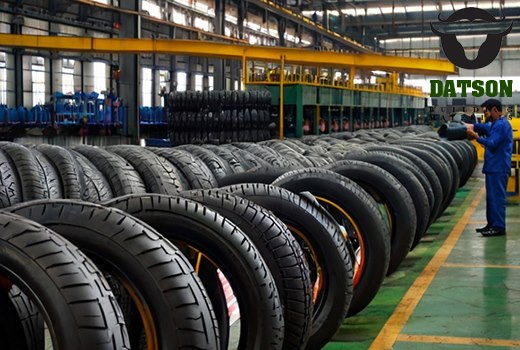
Role of Calcium Carbonate in Rubber Industry
In rubber formulations, calcium carbonate is often used as a reinforcing and extending filler. It is known to improve mechanical properties and reduce production costs significantly.
The role of calcium carbonate in rubber industries includes:
Increased volume: By adding bulk to rubber compounds, calcium carbonate helps reduce the amount of synthetic rubber needed.
- Enhanced processability: The mineral helps improve mixing and extrusion behavior, making the material easier to work with during manufacturing.
- Improved hardness and tensile strength: At the right particle size and distribution, calcium carbonate can enhance certain performance properties of rubber.
Whether it’s used in tire treads, conveyor belts, footwear soles, or molded rubber components, calcium carbonate in rubber serves as a multifunctional additive. It helps to balance cost with quality, meeting the high standards of modern rubber manufacturing.
Sustainability And Efficiency Of Calcium Carbonate In Rubber Production
Sustainability has become a critical factor in material selection across industries, and calcium carbonate plays a key role in supporting eco-friendly production processes. Its abundance and relatively low environmental impact make it an attractive choice for manufacturers aiming to reduce their carbon footprint.
When used in rubber production, calcium carbonate helps:
- Lower energy consumption: Its high thermal conductivity accelerates vulcanization and reduces processing time.
- Reduce material waste: Improved dispersion leads to fewer defects and rejects.
- Minimize dependence on petrochemical materials: As a natural mineral, it can replace a portion of synthetic polymers, reducing reliance on fossil fuels.
- The high efficiency of calcium carbonate, combined with its recyclable nature, supports both environmental and economic sustainability goals.
Comparison with Other Fillers
Calcium carbonate competes with several other fillers in both the polymer and rubber industries. Some common alternatives include talc, kaolin clay, silica, and carbon black.
Here’s how calcium carbonate stands out:
- Versatility: Unlike some specialty fillers, calcium carbonate can be used across various polymers and rubber types.
- Cost-effectiveness: It is generally less expensive than other fillers, making it ideal for mass production.
- Lower abrasiveness: This helps preserve processing equipment, reducing maintenance and downtime.
- Whiteness: Offers a natural brightness, which is ideal for colored and white applications.
While talc may offer better barrier properties and silica might provide better reinforcement in some applications, the overall balance of cost, performance, and processability makes calcium carbonate a superior choice for many manufacturers.

Economic Analysis of Using Calcium Carbonate as a Filler
The economic benefits of using calcium carbonate are significant. By partially replacing expensive resins and synthetic rubbers, calcium carbonate helps manufacturers manage costs while maintaining product quality.
Cost benefits include:
- Reduced raw material costs: Since calcium carbonate is cheaper than most polymers, incorporating it lowers the overall material expense.
- Lower energy use: Enhanced processing speeds and reduced curing times translate into savings in electricity and labor.
- Extended product life: In some cases, the improved durability of filled products can reduce warranty claims and customer complaints.
Companies have conducted studies showcasing how the use of calcium carbonate in polypropylene and rubber formulations can lead to a 10–30% reduction in total production cost, depending on the application and formulation.
Challenges and Limitations
Despite its many advantages, the use of calcium carbonate as a filler comes with certain technical challenges that must be addressed during formulation and processing.
Dispersion Issues
Poor dispersion of calcium carbonate particles can lead to uneven product quality, reduced strength, and visible surface defects. Achieving uniform dispersion requires proper equipment and optimized compounding techniques.
Compatibility with Different Polymers
Calcium carbonate may not bond well with some polymers, leading to weak mechanical properties. This is especially true for highly non-polar polymers like polyethylene or polypropylene, where coupling agents or surface-treated calcium carbonate may be required.
Strategies to Overcome These Challenges
To mitigate these limitations:
- Use of surface-treated calcium carbonate: This improves compatibility and dispersion, especially in polyolefins.
- Optimized particle size distribution: Fine particles enhance blending and provide smoother finishes.
- Advanced compounding techniques: Proper mixing, temperature control, and machinery settings help ensure consistent results.
By addressing these issues proactively, manufacturers can fully benefit from the advantages of calcium carbonate without compromising product integrity.

Selection Criteria for Calcium Carbonate in Polymer and Rubber Industries
Choosing the right type of calcium carbonate depends on several factors, including the target application, polymer compatibility, and desired properties.
Key selection criteria include:
- Particle size and distribution: Finer particles offer better dispersion and surface finish.
- Surface treatment: Stearic acid-coated calcium carbonate improves bonding with non-polar resins.
- Purity and brightness: High-purity grades are essential for optical clarity and color matching.
- Bulk density and flowability: These affect ease of handling and processing during manufacturing.
Ultimately, manufacturers should collaborate closely with their mineral suppliers to identify the most appropriate grade of calcium carbonate for their specific application, ensuring optimal performance and value.
Conclusion
Calcium carbonate continues to be one of the most important fillers in the polymer and rubber industries. Its cost-saving potential, combined with significant performance benefits, makes it a valuable material in applications ranging from packaging to automotive components and rubber goods.
Whether it’s improving the stiffness of calcium carbonate polypropylene products or enhancing the processability of rubber compounds, this mineral offers undeniable value. The role of calcium carbonate polymer industries goes beyond just cost reduction—it supports sustainability, efficiency, and product innovation.
DATSON Building Materials is a trusted brand in supply of high-quality building and construction materials serving clients across the UAE and international markets. With a strong commitment to reliability, product excellence and customer satisfaction, DATSON continues to support a wide range of sectors including construction, oil & gas, agriculture and pharmaceutical industries.