
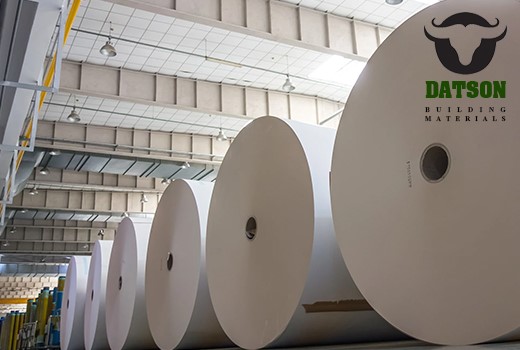
Calcium carbonate has become an indispensable part of modern paper production. Known for its ability to enhance paper properties and cut down on costs, this mineral is used widely across the globe in everything from standard printing paper to high-end magazines. The demand for better print quality, higher brightness, and environmentally responsible manufacturing has pushed the industry to embrace calcium carbonate on a large scale.
One reason it’s favored is its natural abundance and low cost compared to other paper additives. The role of calcium carbonate in paper isn’t limited to aesthetics; it contributes to the durability and recyclability of paper products. As consumers and manufacturers alike become more conscious of sustainability, the shift towards using calcium carbonate in paper and pulp manufacturing is expected to accelerate. Its proven track record in improving both product quality and operational efficiency makes it a mineral of the future for paper mills.
How Calcium Carbonate Boosts Paper Whiteness and Brightness
In paper and pulp manufacturing, calcium carbonate plays two critical roles, first as a filler, and second as a coating agent. As a filler, it is mixed directly into the pulp, replacing a portion of the expensive wood fiber. This reduces the overall weight and cost of the final product, while also improving paper bulk and stiffness. As a coating pigment, calcium carbonate is applied to the paper’s surface to enhance smoothness, brightness, and printability.
There are two main types used in the industry: Ground Calcium Carbonate (GCC) and Precipitated Calcium Carbonate (PCC). GCC is mechanically ground from natural limestone and is generally coarser in particle size, while PCC is chemically synthesized and offers a controlled, ultra-fine structure ideal for premium paper coatings. Calcium carbonate powder for paper applications is chosen based on the desired finish and strength.
Moreover, calcium carbonate enhances ink absorption and drying time, contributing to sharper prints. It also influences the porosity and smoothness of the sheet, both of which are critical in modern printing technologies. Its ability to adapt to various formulations makes it a versatile choice for manufacturers aiming to customize paper grades for different purposes.
A Smarter Way to Cut Paper Production Costs
One of the standout benefits of using calcium carbonate in paper is the substantial boost it gives to brightness and whiteness. Its naturally high refractive index allows it to scatter light very effectively. This not only gives paper a whiter appearance but also reduces the amount of raw material needed to reach the desired optical properties. In short, less pulp, more brightness.
These optical properties are especially useful for magazines, brochures, and high-quality printing jobs where vivid colors and clarity are non-negotiable. Because of calcium carbonate’s ability to reflect light, text and images pop off the page, making it ideal for everything from glossy photo paper to office documents.
Beyond aesthetics, the alkaline nature of calcium carbonate protects paper from becoming brittle and yellow over time. This is essential for applications like archival papers, art books, and historical documents. Its buffering capacity helps neutralize acids that can form during the paper aging process, extending shelf life and preserving quality. This longevity makes calcium carbonate powder for paper applications a reliable choice across all segments of the paper industry.

A Green and Cost-Effective Choice for Paper Mills
Incorporating calcium carbonate in paper and pulp manufacturing has become a strategic move for paper mills aiming to reduce production costs without sacrificing quality. By partially replacing expensive wood pulp with this affordable mineral, mills can cut down on one of their biggest expenses. Moreover, because calcium carbonate has excellent filler and coating characteristics, the savings don’t come at the cost of performance.
Its efficiency goes beyond the raw materials. Calcium carbonate also enhances water drainage and fiber retention during the papermaking process. This improves production speed and reduces energy consumption, leading to savings in both time and utilities. The smoother surface created by the mineral means fewer coating layers are needed, further lowering operational expenses.
In comparison to more costly additives like titanium dioxide, calcium carbonate offers similar optical benefits at a fraction of the cost. With rising pressures on the paper industry to stay competitive while maintaining quality, the role of Calcium Carbonate in Papermaking is increasingly vital from a financial perspective. It’s not just a filler it’s a smart investment.
A Greener Option for Paper Makers
Paper mills are under growing pressure to adopt greener practices, and calcium carbonate powder for paper applications fits perfectly into this narrative. This mineral not only reduces the reliance on wood-based fibers thereby conserving forests but also promotes a cleaner production process with fewer chemicals and emissions.
One of the standout environmental advantages of calcium carbonate is its low carbon footprint. Compared to the energy-intensive processing of some alternative fillers, the manufacturing and application of calcium carbonate are significantly more eco-friendly. Its alkaline nature helps minimize the need for acidic and chlorine-based bleaching agents, making the entire production line more sustainable.
In addition, paper made with calcium carbonate is easier to recycle. The mineral doesn’t interfere with de-inking processes, allowing for more efficient material recovery. By choosing calcium carbonate, manufacturers contribute to a circular economy where waste is minimized and resources are reused. As the global paper industry moves toward carbon neutrality, calcium carbonate in paper will be a key player in reaching that goal.
Environmental Benefits of Using Calcium Carbonate
The environmental upsides of using calcium carbonate in paper and pulp manufacturing go well beyond just reducing the use of trees. Let’s explore these benefits in more detail:
- Conservation of Forests: Less pulp means fewer trees need to be harvested, supporting reforestation and biodiversity.
- Reduced Carbon Emissions: Calcium carbonate processing involves fewer fossil fuels, which helps lower greenhouse gas emissions.
- Better Recyclability: Papers that include calcium carbonate are simpler to de-ink, making them more suitable for high-quality recycling.
- Lower Chemical Use: Because of its natural alkalinity, the need for harsh chemical treatments in papermaking is greatly reduced.
These advantages contribute to a more sustainable paper industry and allow companies to meet stricter environmental regulations and consumer expectations. Paper mills adopting calcium carbonate powder for paper applications not only gain operational efficiency but also position themselves as eco-conscious leaders in a competitive market.
Key Challenges and How to Overcome Them
While calcium carbonate in paper brings numerous benefits, it’s important to acknowledge and address its challenges. One significant issue is its incompatibility with acidic papermaking systems. When exposed to low pH environments, calcium carbonate can degrade or cause unwanted chemical reactions. That’s why most modern paper mills have transitioned to alkaline-based systems that are well-suited for using this mineral.
Another challenge is scaling, where calcium carbonate deposits build up inside equipment and pipelines, reducing efficiency over time. However, this can be controlled through regular maintenance, the use of anti-scaling agents, and modern process designs. Ensuring good dispersion of the mineral in the pulp is also critical to avoiding clumping and achieving a uniform product.
Despite these obstacles, the long-term benefits of calcium carbonate outweigh the downsides. With proper planning, equipment, and expertise, paper manufacturers can fully harness the power of this mineral while keeping their operations smooth and efficient.
The Future of Calcium Carbonate in the Paper Industry
The future looks bright for calcium carbonate in paper and pulp manufacturing. Innovations in nanotechnology and material science are making it possible to produce calcium carbonate with highly specialized properties. For example, new surface coatings can be applied to the particles to improve compatibility with different types of ink or to enhance water resistance.
There’s also a growing trend toward using functional fillers, where calcium carbonate doesn’t just serve a structural purpose but actively contributes to better performance such as improved print quality, ink adhesion, or paper durability. These advancements will expand its use beyond traditional printing paper into specialty markets like packaging, labels, and even medical-grade paper products.
In a world increasingly focused on sustainability and efficiency, the role of calcium carbonate in paper is only set to grow. It’s not just a stopgap or cost-saving measure; it’s becoming a long-term solution for a smarter, greener, and more adaptable paper industry.
Conclusion: Why This Mineral Could Reshape Paper Manufacturing?
From brighter paper and smoother surfaces to lower costs and reduced environmental impact, the role of calcium carbonate in paper is bigger than ever. This versatile mineral has become a go-to solution for paper manufacturers around the world. As innovation continues and sustainability becomes more important, calcium carbonate is sure to remain a key player in shaping the future of papermaking.
We hope you found this article useful. On Datson, you can find more insightful content to explore.