Other Products
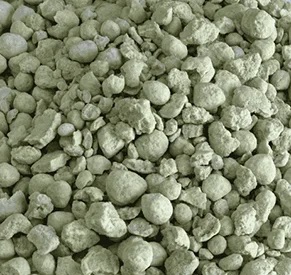
White clinker is considered as an important intermediate component for making white cement powder. It is produced by calcining the controlled composition of raw materials that includes limestone, kaolin, and sand at high temperatures to form a pure, lightcoloured material. Unlike gray clinkers, white clinkers are manufactured by a special manufacturing process which reduces the elements present in them, for example, iron and manganese that are the reasons for color hues. The pure composition makes white clinker a very good base for producing pure bright white cement, which is widely used for its aesthetic and functional qualities.
It is most commonly found in making white cement, which is usually for decorative finishing and for terrazzo flooring and architectural precast components. Having superior whiteness enables even brighter and livelier outcomes for mixed colors in concrete, plaster, and grout. It is also a very good material where light reflects, thus making it very useful for certain projects requiring heat-resistant or energy-efficient surfaces or materials, including urban landscaping and applications in solar reflectance.
White Clinker
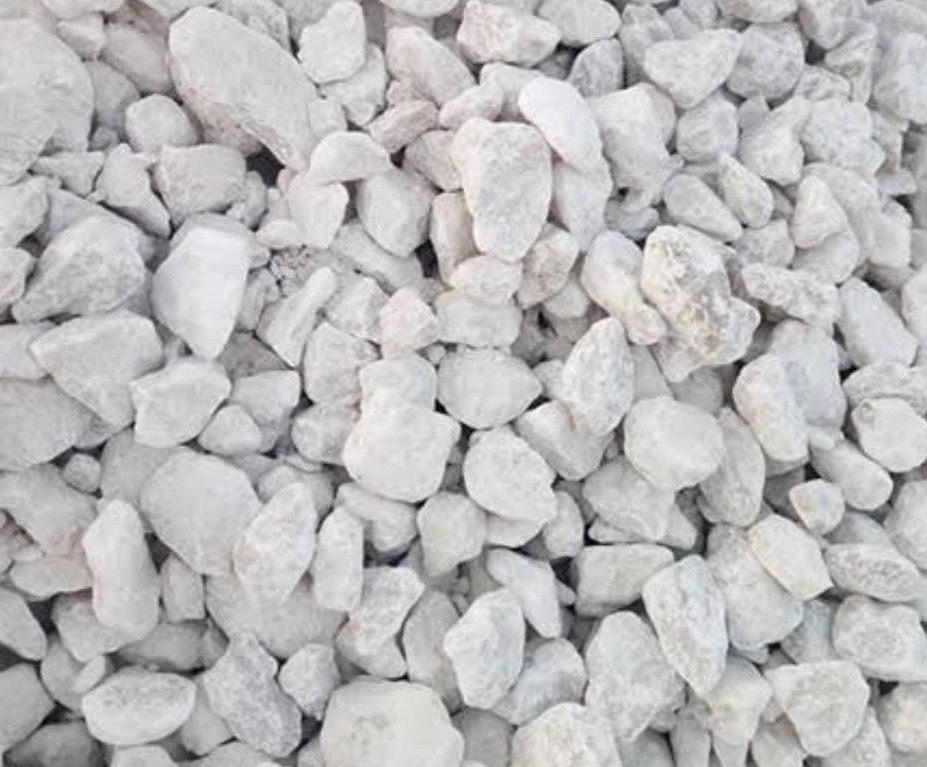
Gypsum rock is a mineral primarily composed of calcium sulfate dihydrate (CaSO₄·2H₂O). Recognized for its high purity, bright white appearance and stable chemical properties, it serves as a key raw material in various industries. Its softness, ease of handling, and minimal environmental impact make it a preferred choice for both industrial and agricultural applications.
In the construction sector, gypsum rock plays an important role in cement production, where it is used as a set retarder to control the hardening process of cement. It is also the primary component in the manufacture of plaster of Paris and gypsum boards, offering excellent fire resistance, sound insulation, and surface finish. In agriculture, gypsum improves soil structure, enhances water penetration, and supplies essential nutrients like calcium and sulfur, promoting healthier crop growth.
We offer gypsum rock in a range of lump sizes to meet the specific requirements of different applications. It is delivered exclusively in bulk, ensuring cost-efficient transport and ease of use in volume operations.
Gypsum Rock
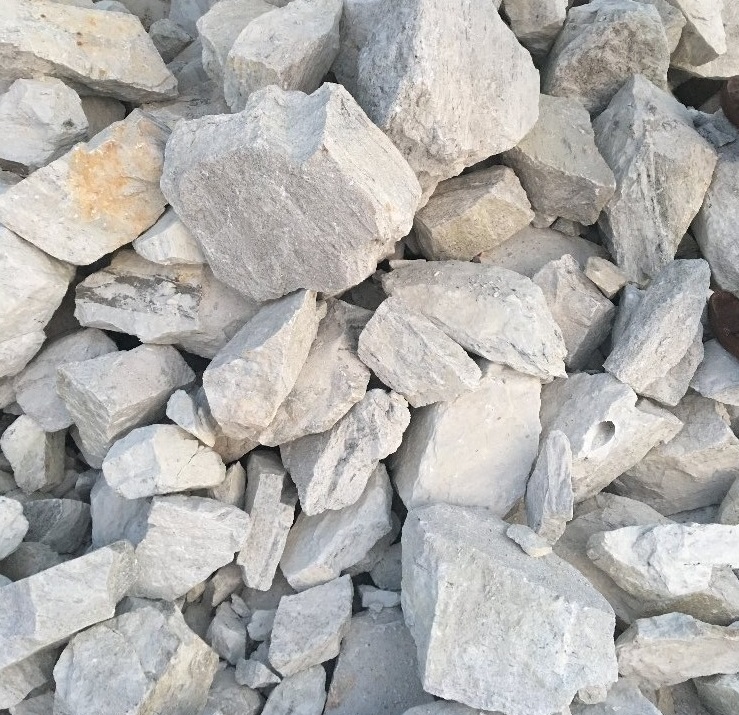
Feldspar is a natural aluminosilicate based mineral group composed of silica (SiO₂), alumina (Al₂O₃) and alkali metals such as potassium, sodium and calcium. It is one of the most abundant minerals in the Earth’s crust and serves as a key raw material in a wide range of industrial processes. Feldspar exhibits excellent fluxing properties, reducing the melting temperature of mixtures and promoting uniform vitrification in ceramics and glass production.
Feldspar is widely used in ceramic and glass industries as a fluxing agent, improving hardness, strength and durability in finished products such as tiles, sanitary ware and tableware. In glass industry, it makes enhancement in transparency and chemical resistance of glass. It is also utilized in other industries such as paints, plastics and rubber as a functional filler. Additionally, feldspar is used in abrasives, welding electrodes and enamels, contributing to smooth finishes and improved bonding characteristics.
Feldspar
Marble chips are aggregates that are crushed out of fine quality natural marble stones. These are used for many applications as they are of good and appealing quality and more importantly, very durable. They are mostly white or pale colored because of the raw material from which they are manufactured. However, it is not solely color that makes marble chips appealing, but the texture and the ability of the chips to reflect light, brightening up given spaces. In most cases marble chips are the ideal materials where beauty is required and infill is long lasting and easy to maintain both in the inside and the outside walls of a building.
Marble chips are known to be commonly used in the landscaping especially to beautify the garden beds or the footpaths and driveways. In construction again, they are used as a decorative aggregate in concrete fillings used for making polished floors and countertops walls. They are also included in terrazzo tiles where they help make the floor attractive due to the covering with natural stone. This, together with their use as a decorative contents and filler in building materials makes marble chips both functional and aesthetic in many ways.
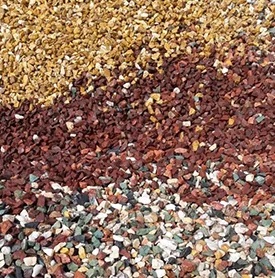
Marble Chips
Pebbles are actually the rounded stones by nature and formed through the various weathering processes and erosion. They differ in size, shape, and color, which gives them that polished, smooth finish, thus enhancing their aesthetic qualities. Made from a variety of materials such as granite, marble, and quartz, pebbles serve a different purpose in landscaping, construction and decorative purposes as they possess natural beauty, durability, and low maintenance.
Different industries have various applications of pebbles. In landscaping, they are used in natural pathways, borders to walkways and water features in gardens for a more elegant outdoor setting. In construction, pebbles are usually used for aggregates in wall and floor coating in concrete and decorative purposes. They also serve as filtration media for water treatment systems and serve as heat-retaining materials in fireplaces and thermal storage systems. With these features, pebbles are popular for both functional and ornamental uses.
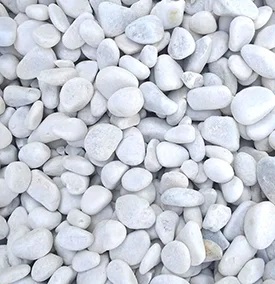
Pebbles
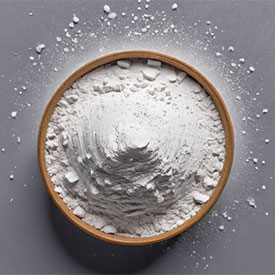
Hydrated lime is also recognized as calcium hydroxide, under its formula representation Ca(OH)₂. This is a fine, dry powder produced by wetting quick-lime (calcium oxide). The reaction is known as slaking or slaking-the dry powder. It creates a very highly reactive material that finds application in several industries. Hydrated lime is characterized by its high purity and consistent quality, along with the ease of handling. It displays excellent chemical reactivity, thus enabling its use for chemical processes, construction materials, and environmental applications.
It can, however, also find applications in many more. In construction, it is the main constituent of mortars, plasters, and whitewash due to its binding and finishing strength. Hydrated lime is widely used in environmental applications where acids are neutralized and impurities removed for water and wastewater treatment. It is also used in agriculture as a soil conditioner to improve the soil pH and fertility. In chemical processes, it is used in pH regulation, flue gas desulfurization, and the manufacture of different calcium-based compounds.